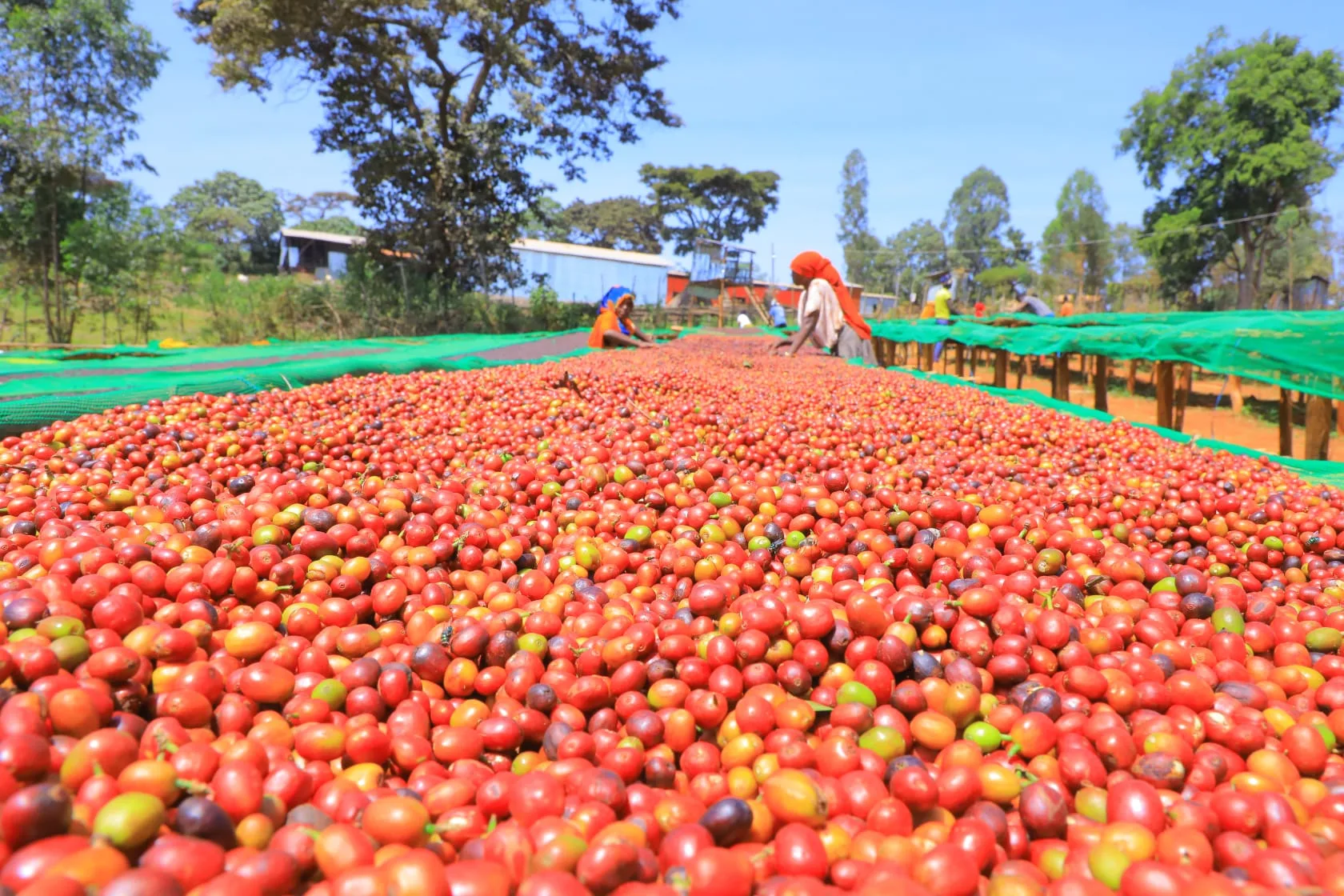
Ethiopian coffee producer · Guji
Qolansa Coffee. Coffee rooted in Guji.
Green coffee from our farm in Odo and the farms around it, prepared at origin for roasters, importers and green coffee buyers.
- Origin
- Odo · Shakiso · Guji · Oromia · Ethiopia
- Farm elevation
- ≈ 2,200 m
- Processes
- Natural · Washed
- Evaluation
- 85 & 86 pts
A coffee producer at origin.
Qolansa Coffee is an Ethiopian coffee producer and green coffee supplier rooted in Odo, Shakiso District, Guji Zone, Oromia, Ethiopia.
Our coffee is grown on our own farm and sourced from surrounding farms within the same producing area. Working close to origin gives us direct knowledge of the farms, production practices, processing, drying and preparation of each lot.
From the highlands of Guji to roasters and coffee buyers around the world, Qolansa connects the people, land and work behind the coffee with those who roast it.
- Single-origin coffee from Odo, Shakiso District, Guji
- Our own farm at about 2,200 m, and the farms around it
- Natural and washed lots, graded Grade 1
- Evaluated by the Ethiopian Coffee Association
Our focus
To produce and supply traceable Ethiopian coffee with a clear connection to its origin.
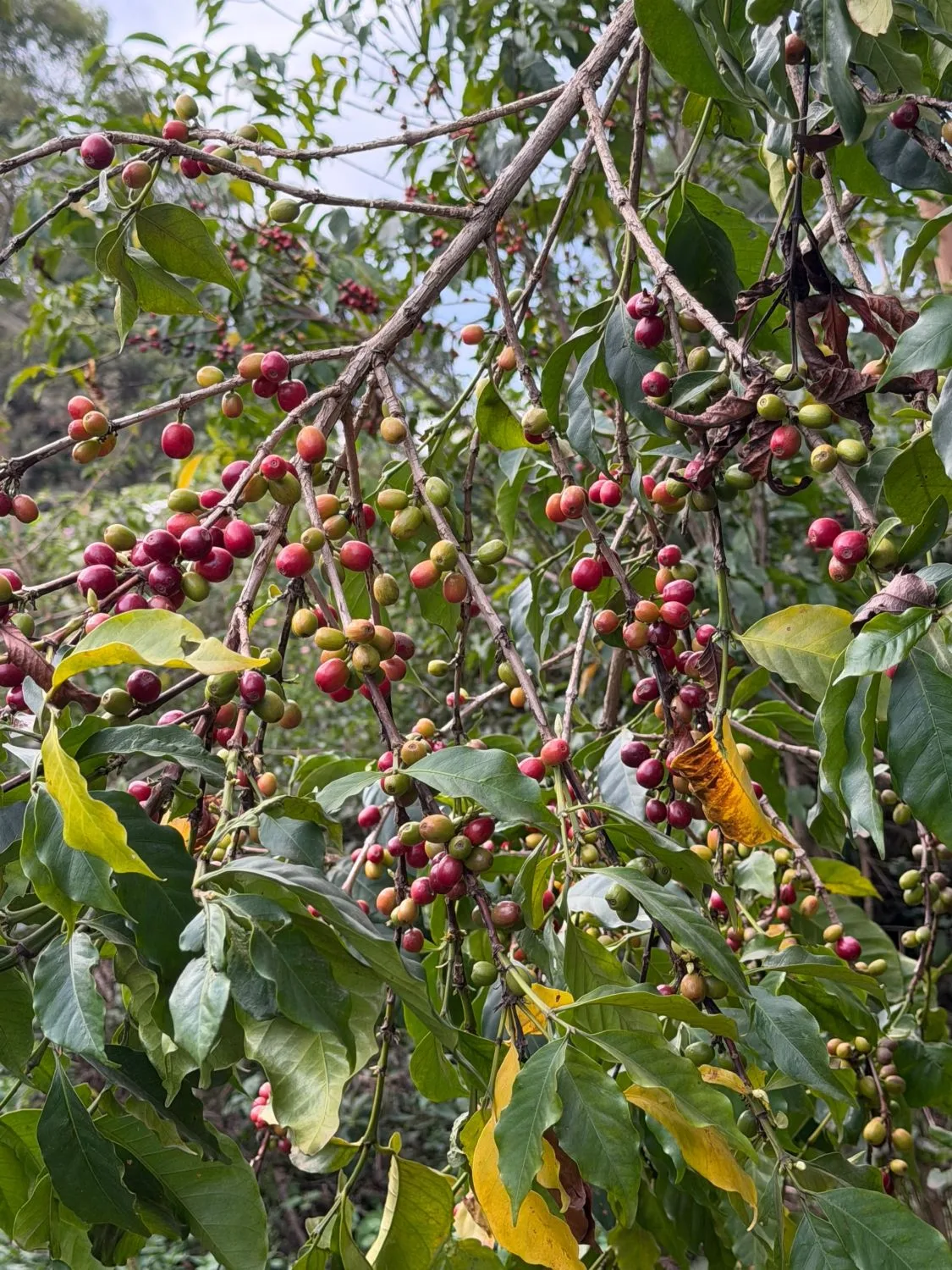
Where the coffee grows.
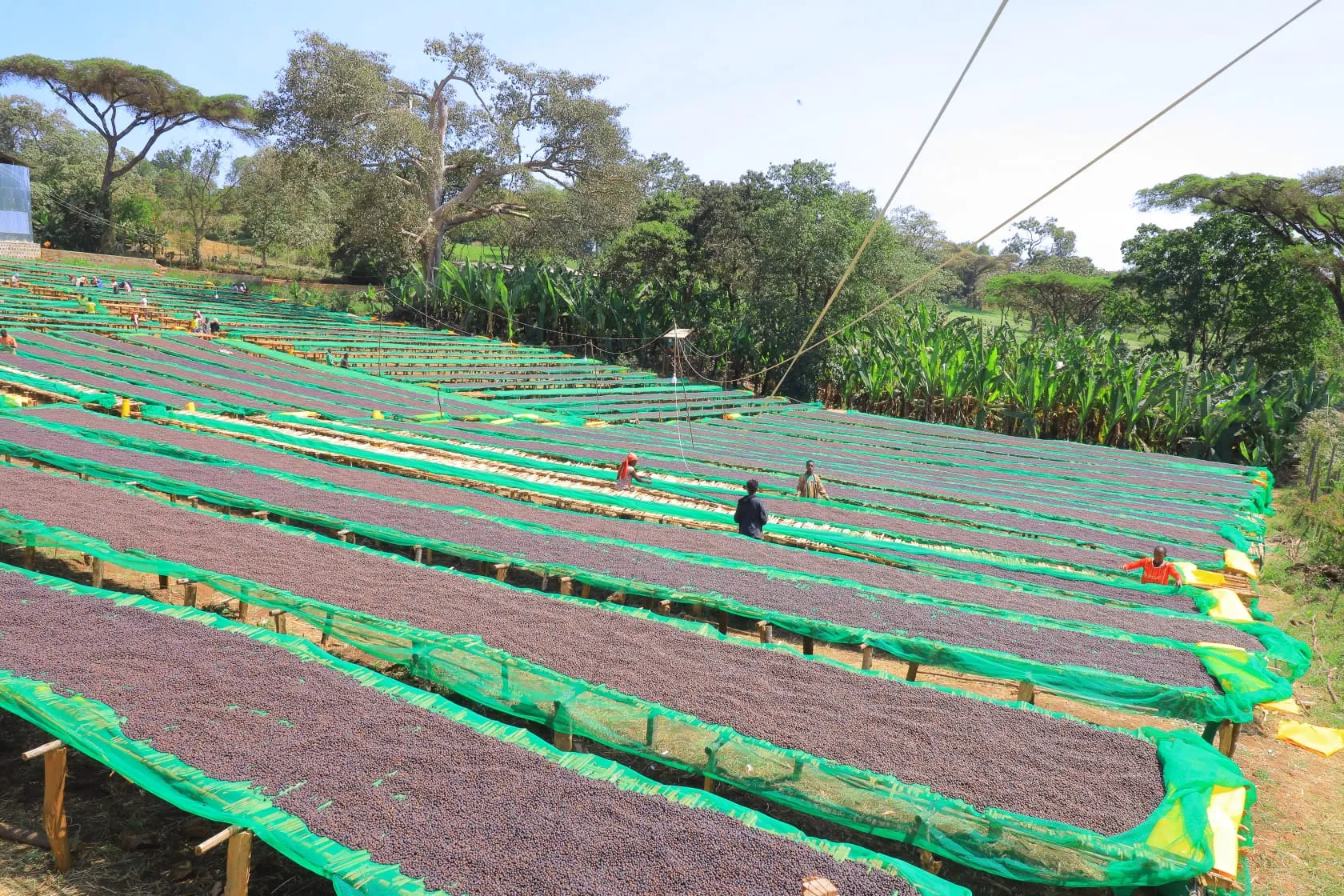
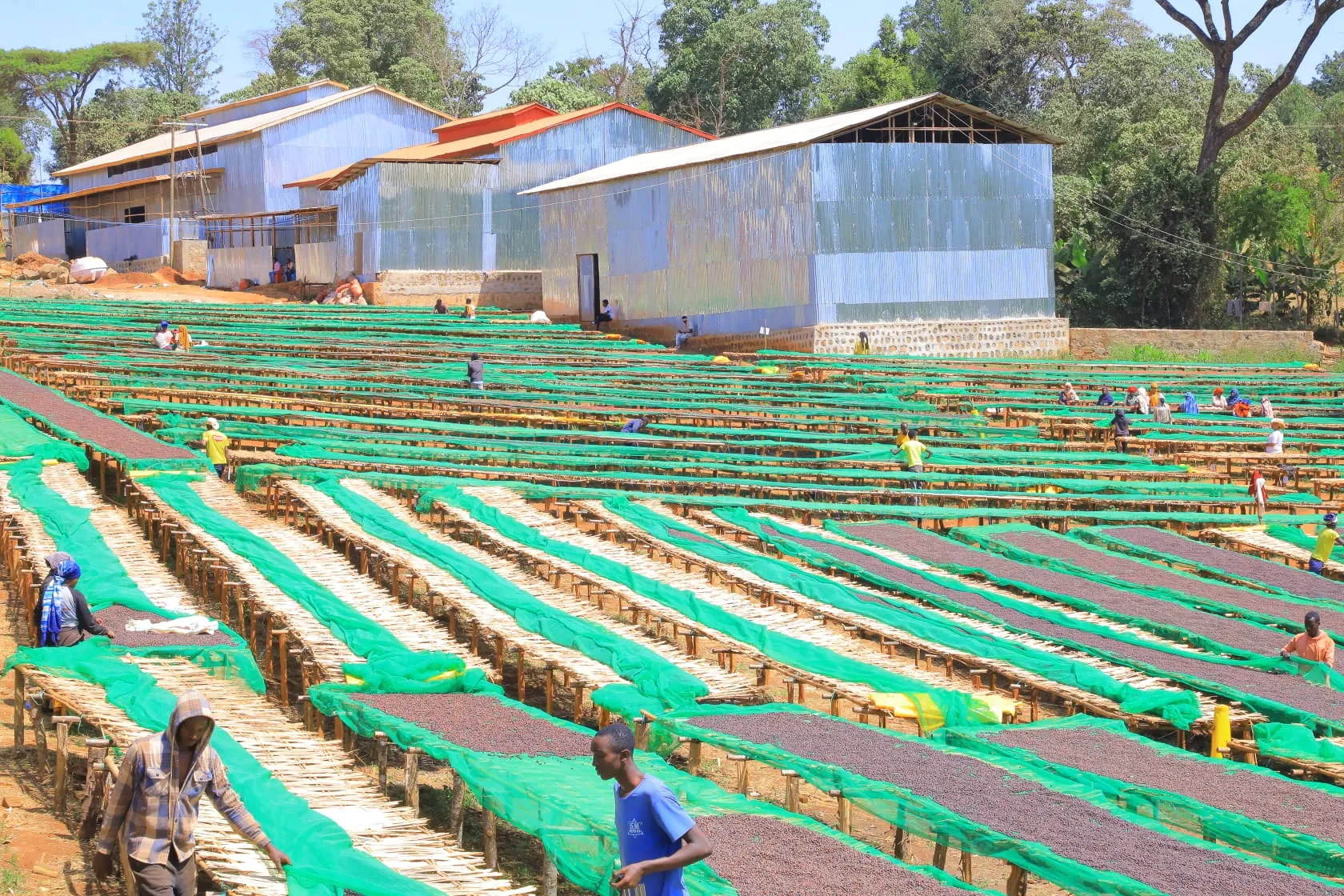
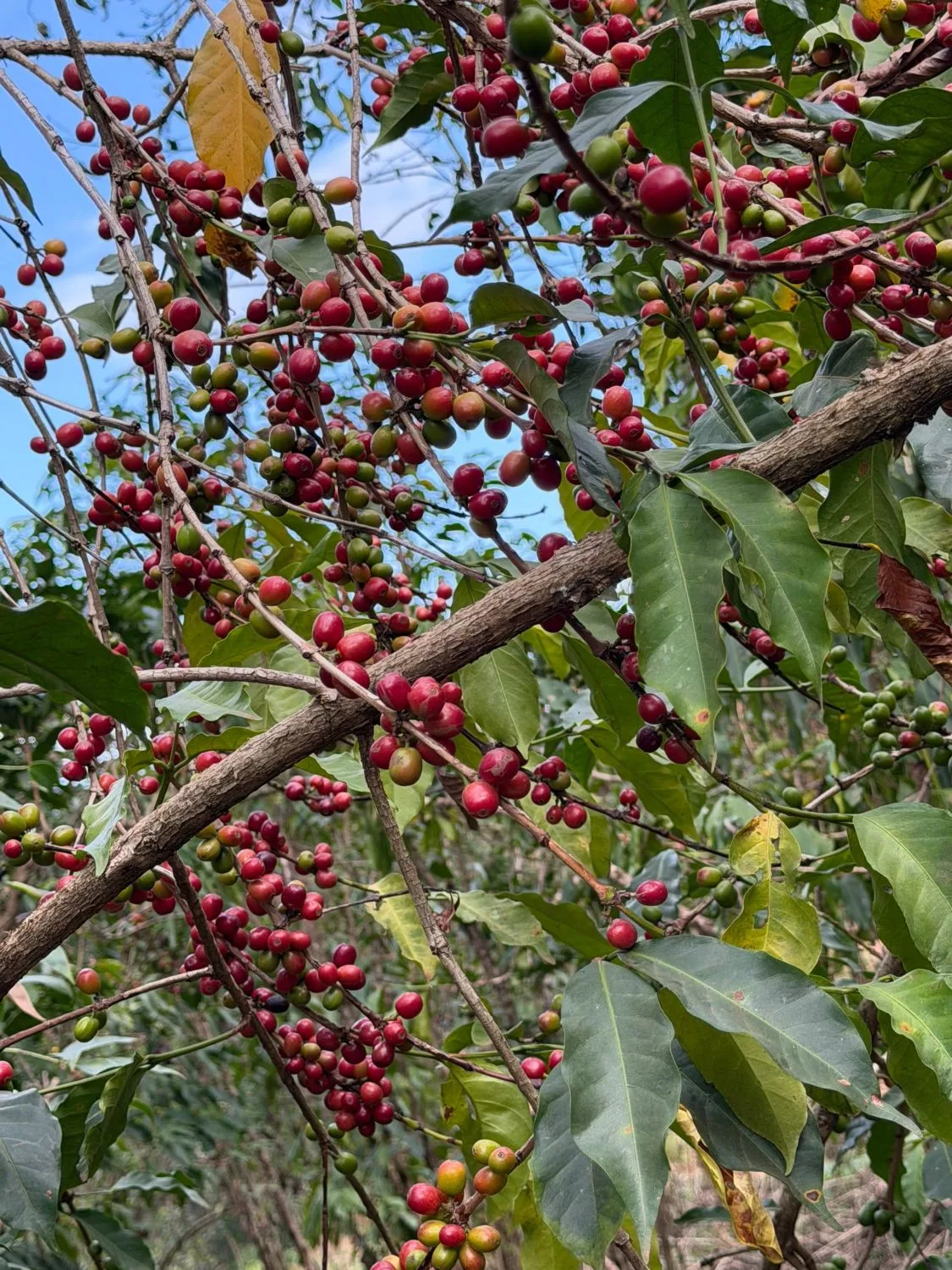
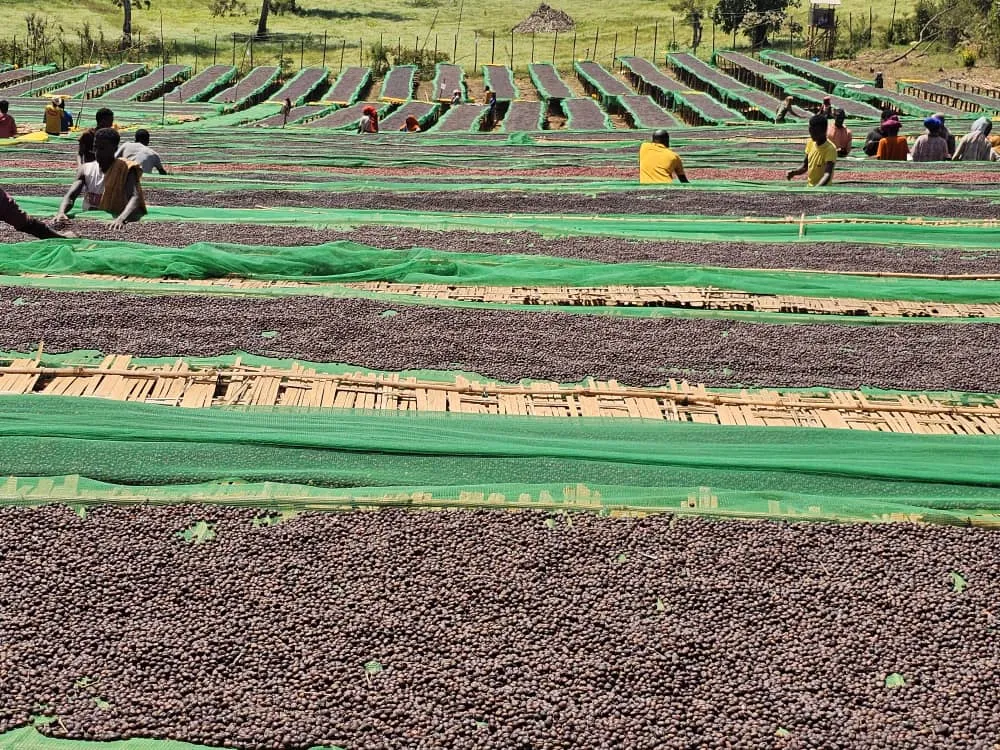
Southern Ethiopia, in the highlands of Guji: coffee grows among tall trees and enset, and dries in the open air on long raised beds.
- Area
- Odo
- District
- Shakiso District
- Zone
- Guji Zone
- Region
- Oromia Region
- Country
- Ethiopia
Farm elevation
2,200m
Our farm in Odo lies at approximately 2,200 metres above sea level, in the highlands of Guji.

Mr. Ararsa Gawole Dulecha
CEO & Founder, Qolansa Coffee
Qolansa was built from a simple belief: the people who produce coffee should remain connected to the story and value of the coffee that reaches the world.
Mission, vision and values
To produce and supply exceptional Ethiopian coffee while building a transparent connection between origin, producer and buyer.
We work to preserve the character of Guji coffee through careful cultivation, responsible sourcing, disciplined processing and consistent preparation for the international specialty coffee market.
To build a respected Ethiopian coffee origin brand known for traceability, quality and long-term relationships with farmers, roasters and coffee buyers worldwide.
Origin first
We remain connected to the farms, communities and landscapes where our coffee begins.
Quality without compromise
From cherry selection to drying and preparation, we focus on disciplined handling and consistency.
Traceability
We believe buyers should understand where their coffee comes from and how it moves through the supply chain.
Long-term relationships
We build relationships with farmers, buyers and roasters around reliability and mutual value.
Responsible growth
We aim to grow our coffee business while strengthening the people and agricultural communities around us.
Natural and washed.
Two processes from the same highlands, each graded and evaluated as its own lot.
Natural process
Guji Natural
Grade 1 · Natural · Crop 2025/26 · 85 points
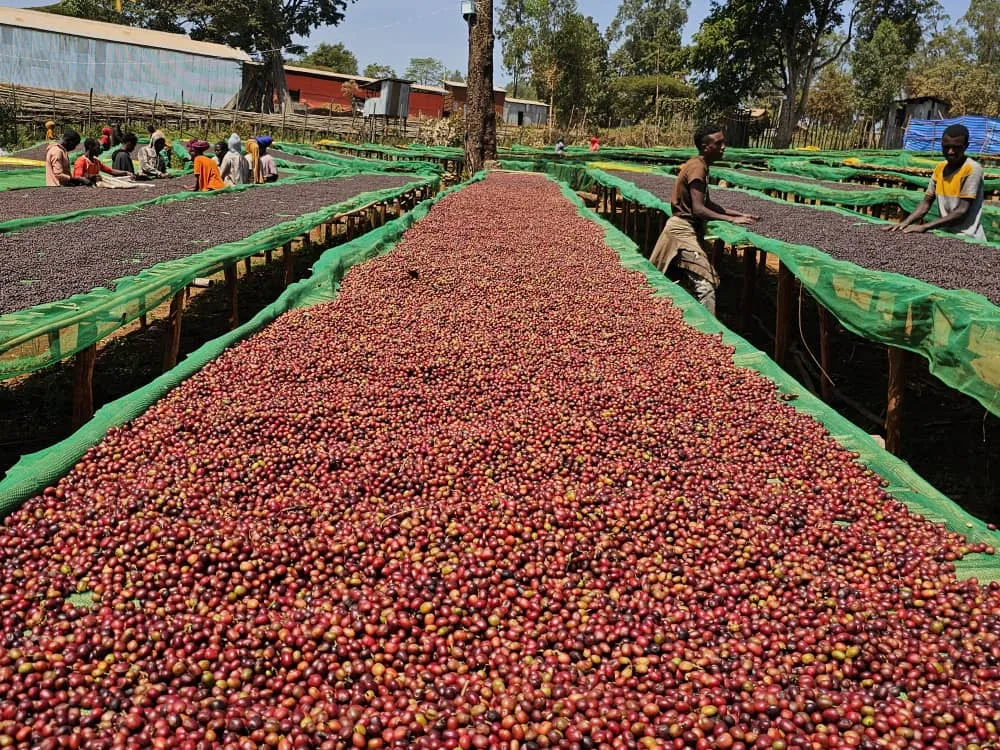
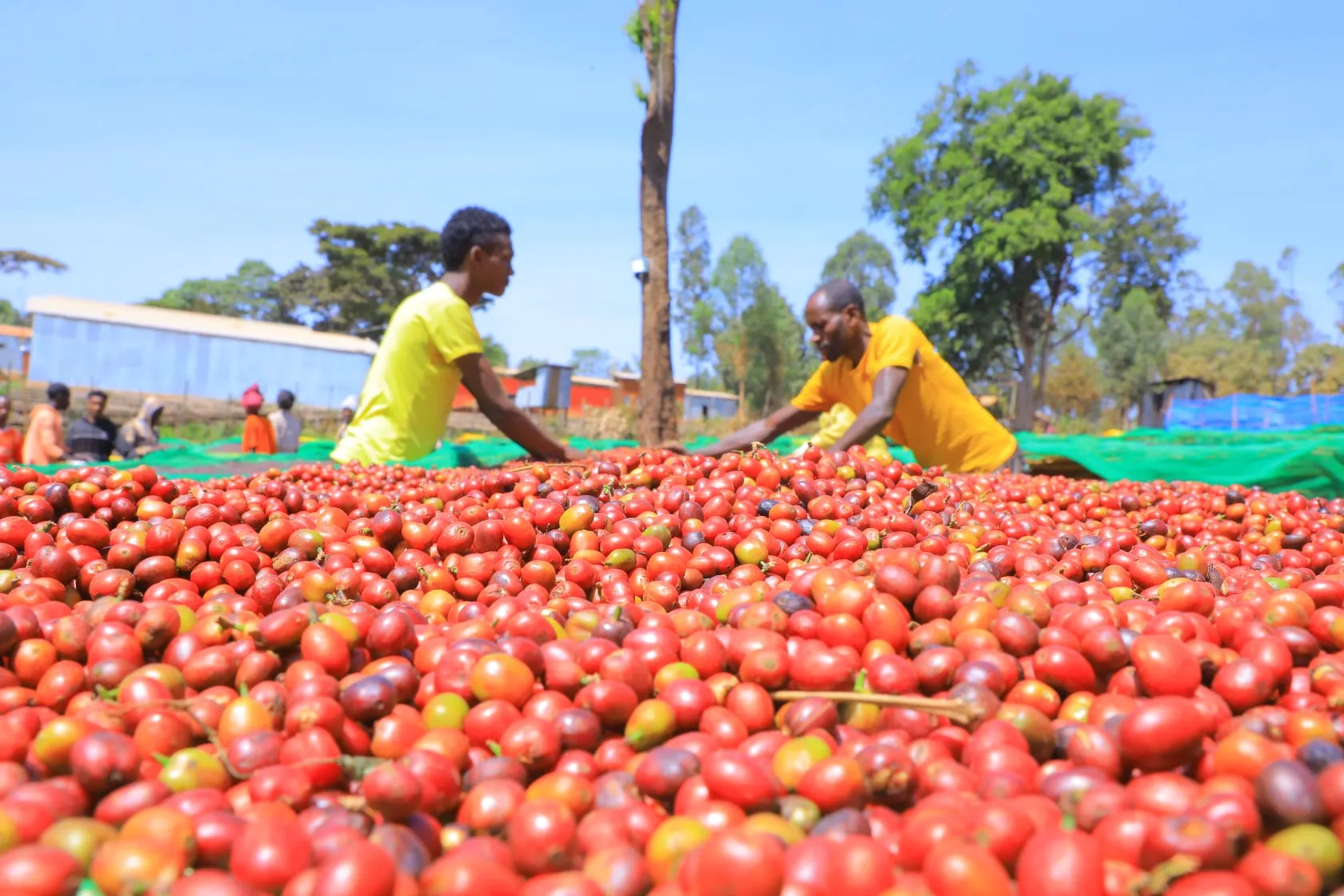
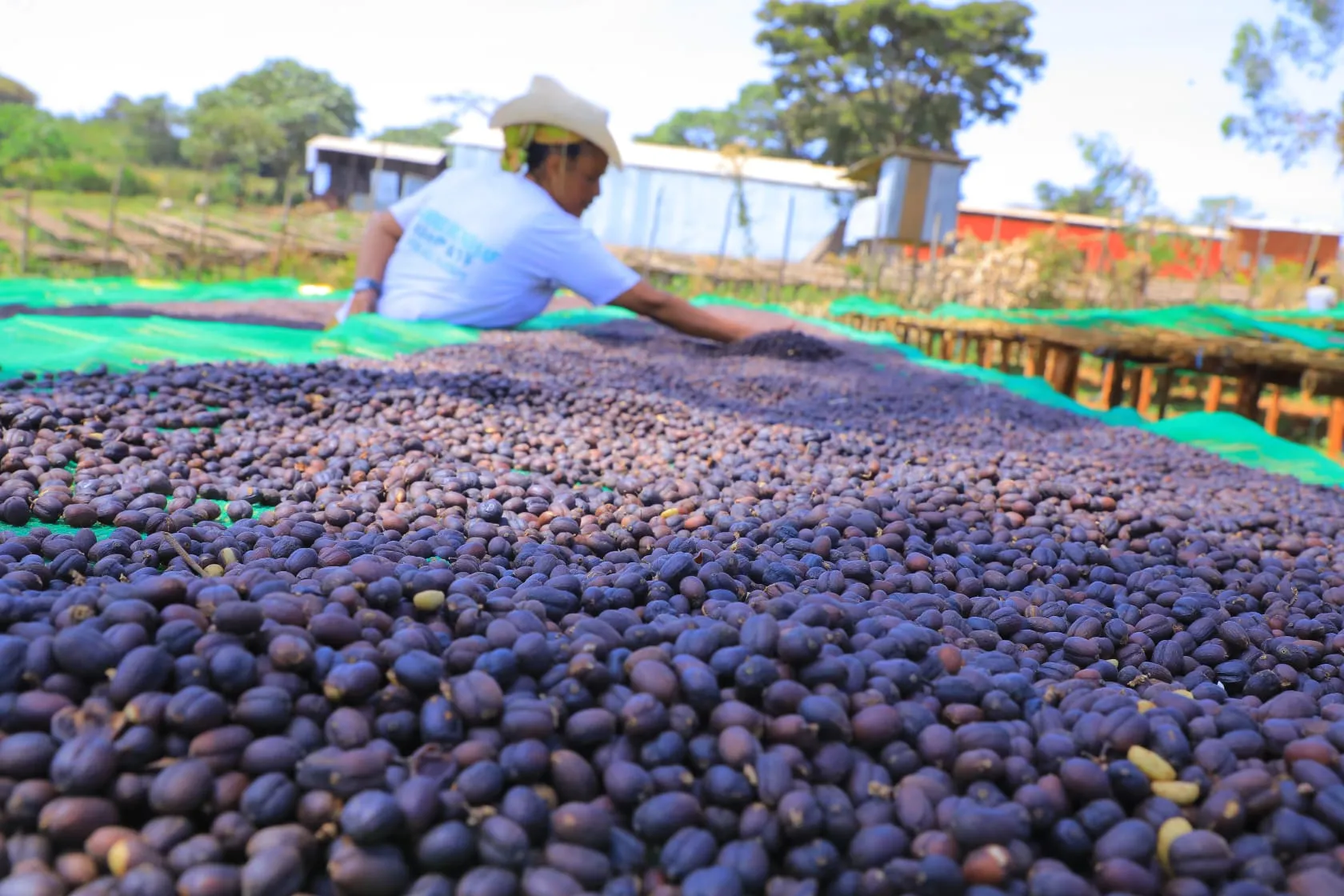
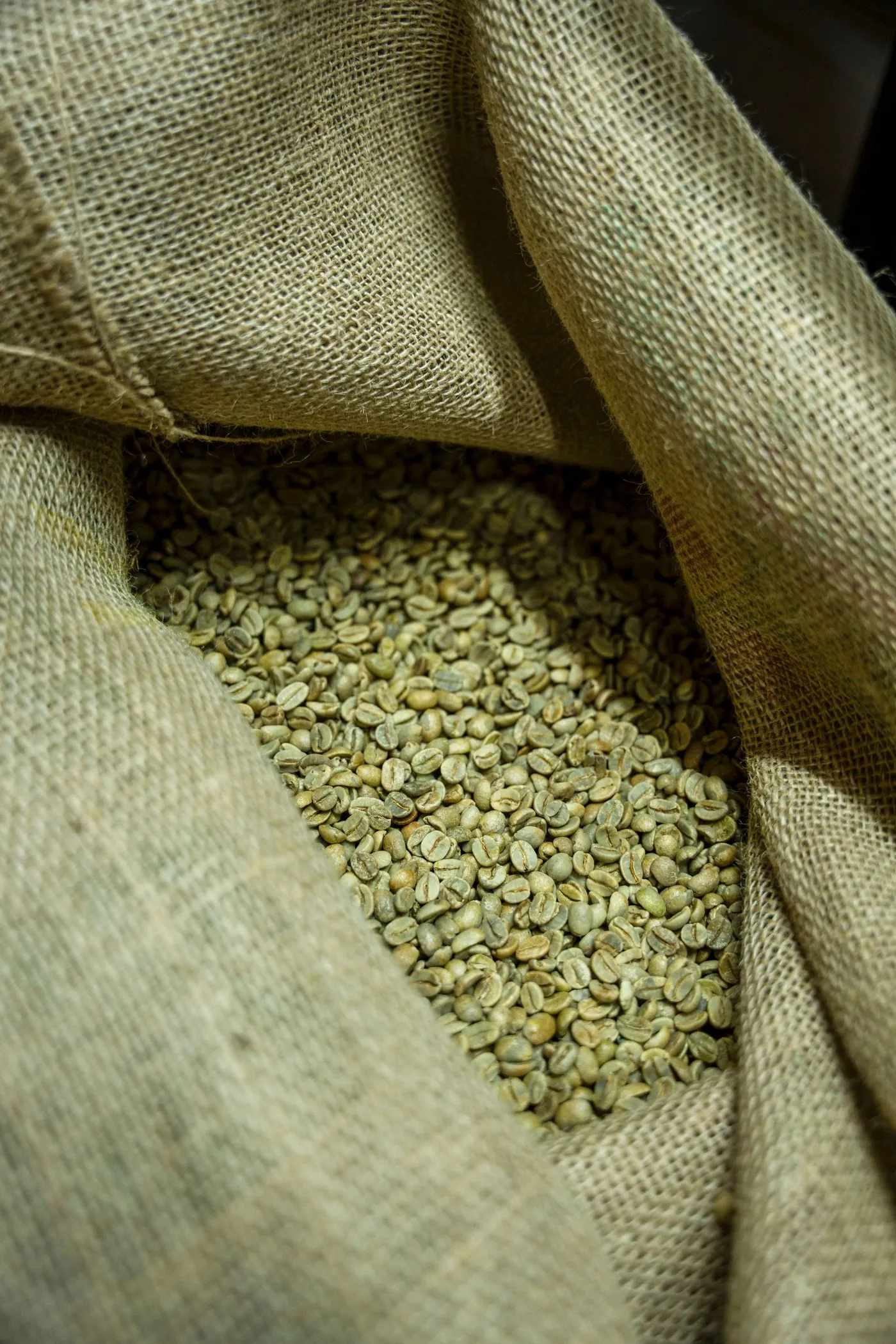
The whole cherry dries in the open air on raised beds, turned by hand. The dried fruit is then hulled away to reveal the green coffee.
View the lot recordWashed process
Guji Washed
Grade 1 · Washed · 86 points
The fruit is removed from the bean first, and the coffee is dried without it before it is hulled and graded.
View the lot record
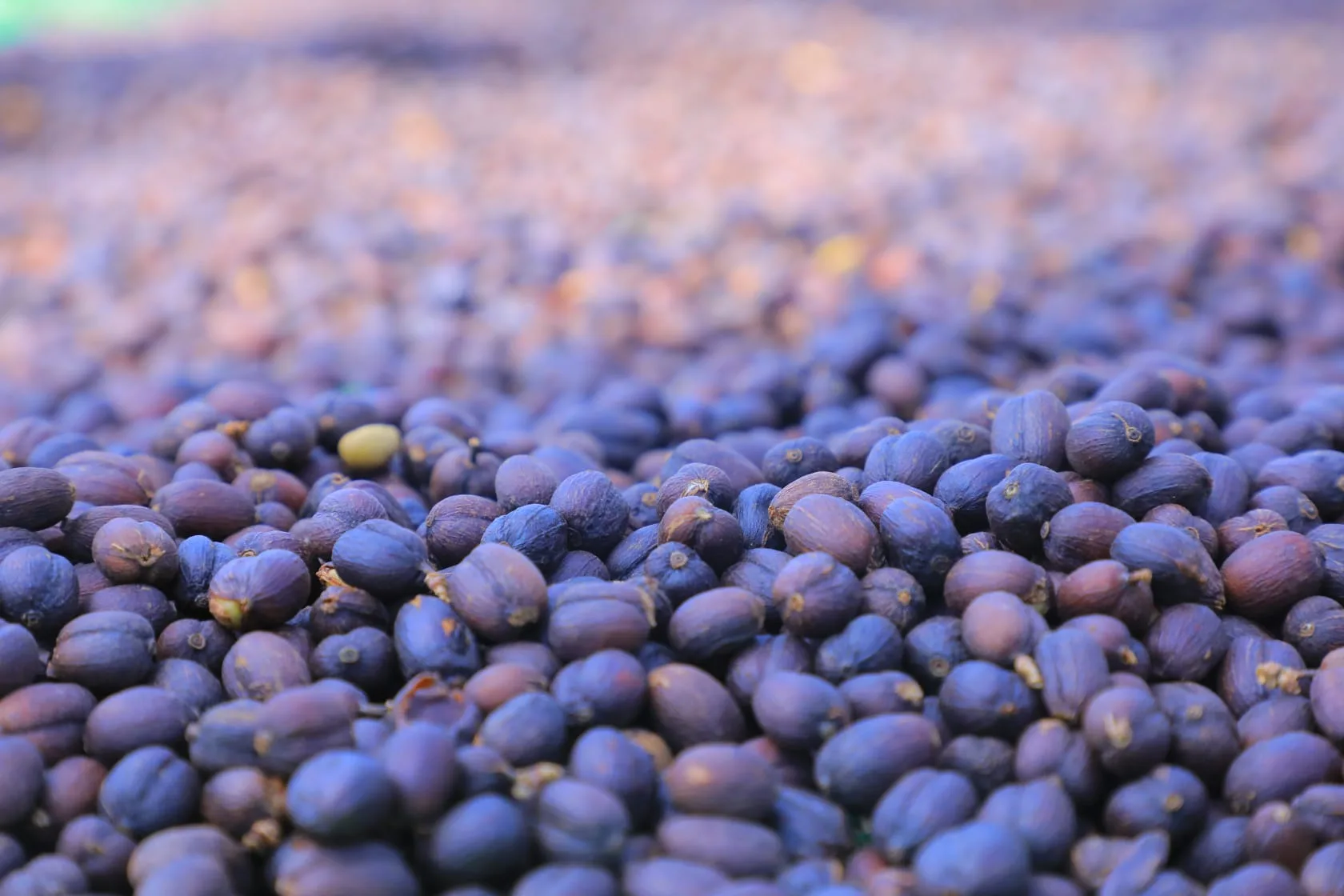
Guji Natural
Odo, Shakiso District, Guji Zone, Oromia, Ethiopia
A natural-process coffee: the whole cherry dried on raised beds, sorted by hand, then hulled and graded as green coffee for export.
- Country
- Ethiopia
- Region
- Oromia
- Zone
- Guji
- District
- Shakiso
- Area
- Odo
- Grade
- Grade 1
- Process
- Natural
- Screen size
- 14+
- Moisture
- 10.9%
- Crop
- 2025/26
- Sample
- 250 g
- Evaluation
- 85 points
Also available: Guji Washed (Grade 1, 86 points).
From farm to roaster.
The path our coffee takes, and what is recorded at each step.
Farm
Harvest
Processing
Drying
Sorting
Grading
- Grade
- Grade 1
- Screen
- 14+
- Moisture
- 10.9%
- Evaluation
- 85 pts
Export
Roaster
Commercial information.
What is confirmed today, and what we agree with each buyer for each lot.
- Available quantity
- Available on request
- Commercial bag size
- To be confirmed for the current lot
- Packaging
- To be confirmed for the current lot
- Minimum order quantity
- Available on request
- Price basis
- Available on request
- Incoterms
- Available on request
- Shipping point
- To be confirmed for the current lot
- Lead time
- Available on request
- Documentation
- Available on request
- Samples
- 250 g green coffee
Packaging
Export packaging
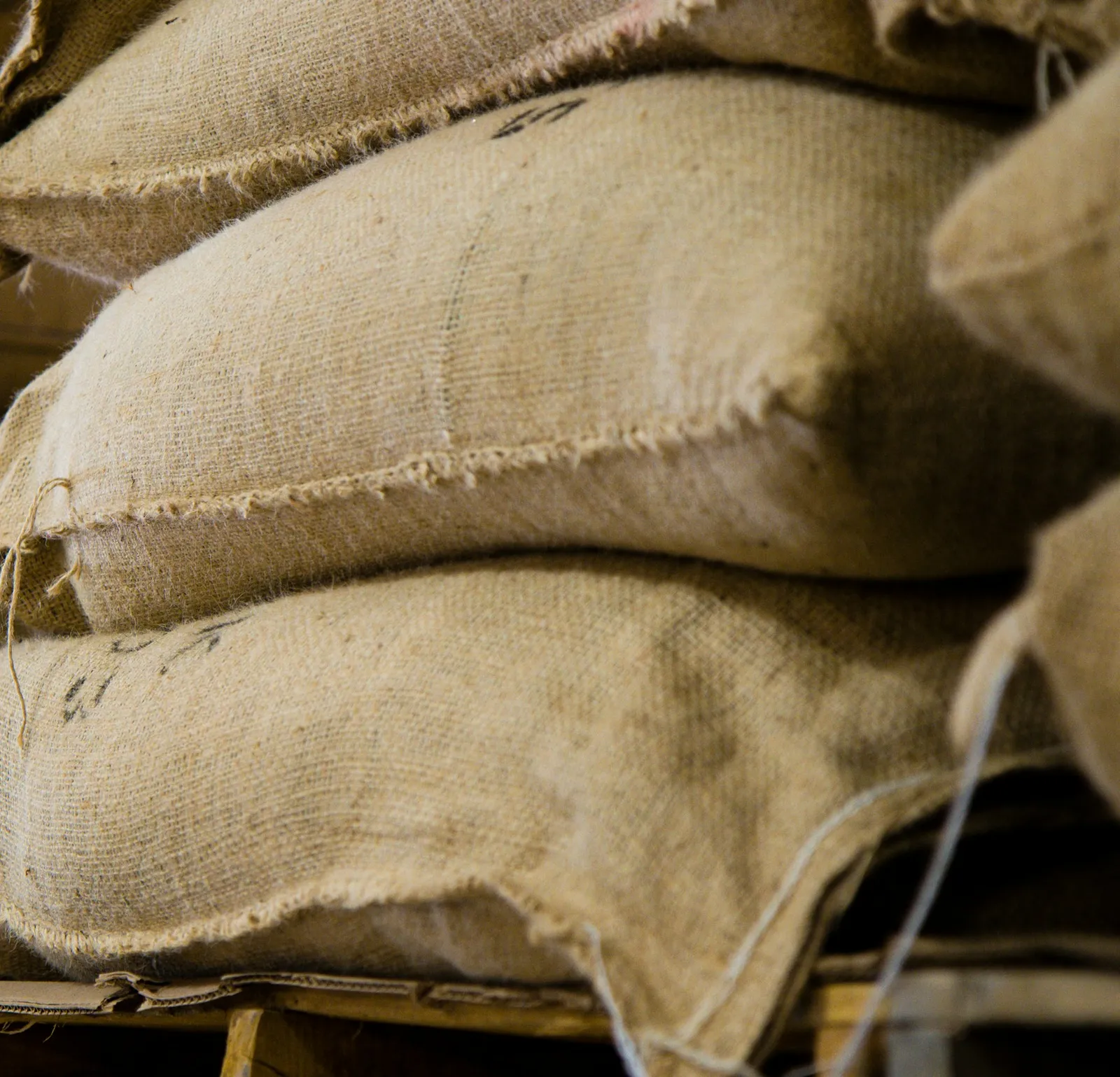
The international green coffee trade commonly ships in 60 kg bags, but packaging varies by origin, exporter and buyer. Bag size, outer bag and any inner liner for a Qolansa lot are confirmed with each buyer.
Samples
250 g green coffee
A sample from the current lot, for roasting and cupping on your own terms.
Documentation
Relevant documents can be provided to qualified buyers, depending on the lot and the transaction.
- Coffee quality evaluation (Ethiopian Coffee Association)
- Certificate of Analysis
- Coffee grading documentation
- Moisture and quality reports
- Certificate of Origin
- Phytosanitary certificate
- Packing list
- Commercial invoice
- Export documentation
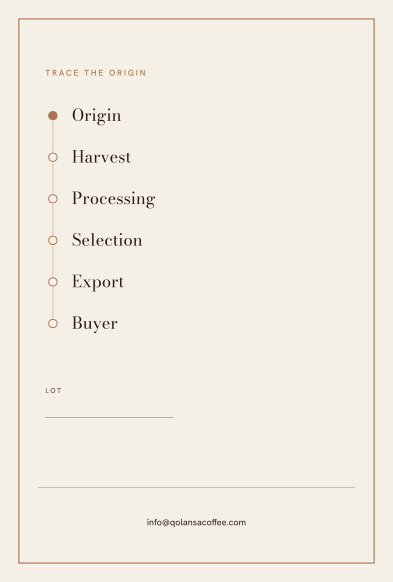
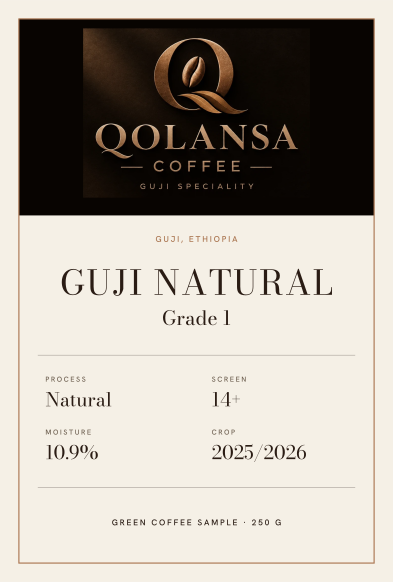
A sample from the current lot.
Every conversation can start with a 250 g sample. Each pouch carries the lot's origin, grade, process, screen size, moisture and crop, so it can be roasted and cupped on your own terms.
Request a sampleFrequently asked.
What buyers usually ask before requesting a sample.
Where does your coffee come from?
Odo, Shakiso District, Guji Zone, Oromia, Ethiopia. It is grown on our own farm, at approximately 2,200 metres above sea level, and sourced from the surrounding farms in the same producing area.
Which coffees are available now?
Guji Natural (Grade 1, crop 2025/26) and Guji Washed (Grade 1). Each has its own lot record with its specification and quality evaluation.
What processes do you offer?
Natural and washed. In the natural process the whole cherry dries on raised beds before the dried fruit is hulled away; in the washed process the fruit is removed before drying.
How is the quality evaluated?
Both lots were evaluated by the Ethiopian Coffee Association in January 2026: Guji Natural 85 points and Guji Washed 86 points. This is Ethiopian grading, combining a green-bean inspection and a cup evaluation. It is not an SCA cupping score.
Can I request a sample?
Yes. We send 250 g samples of green coffee from the current lot to roasters, importers and green coffee buyers. Use the enquiry form and choose “Request a sample”.
What are your commercial terms?
Available quantity, minimum order, price basis, Incoterms, shipping point and lead time are confirmed with each buyer for each lot. Ask for a commercial offer and we will reply with the terms for the current lot.
How is export coffee packed?
Bag size, outer bag and any inner liner are confirmed with each buyer. The international green coffee trade commonly ships in 60 kg bags, but packaging varies by origin and buyer.
Which documents can you provide?
The Ethiopian Coffee Association quality evaluation is available for the current lots. Other documents, such as a certificate of origin, phytosanitary certificate and packing list, can be provided to qualified buyers depending on the lot and the transaction.
How do I contact Qolansa?
By email at [email protected], or by phone: +251 990 404 040 in Addis Ababa, and +971 55 567 5144 in Dubai, also on WhatsApp.
Request a sample or an offer.
Tell us what you need: a 250 g sample of the current lot, a commercial offer, or a conversation about a specific lot. Your request comes straight to our inbox.
- Specialty coffee roasters
- Green coffee buyers
- Importers
- Distributors
- Hospitality businesses
Rooted in Guji. Made to travel.
Odo · Shakiso · Guji · Oromia · Ethiopia
Request a sample